

01.03.2023 19:00
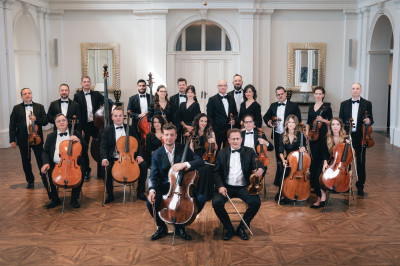
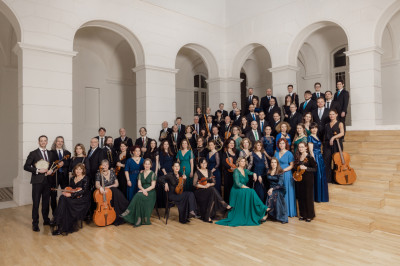
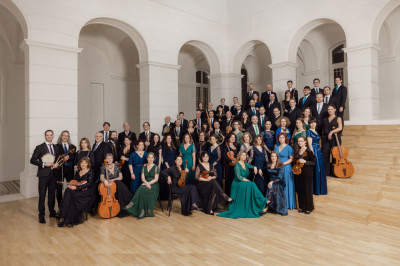
Budapest Festival Orchestra
Szeged, Szegedi Nemzeti Színház
Tisza Season Ticket - Szeged
Season tickets


Tickets can be purchased at Szeged Office of Filharmonia Hungary (6720 Szeged, Klauzál tér 7.), at office of Ticket Express and online on www.jegymester.hu
Concessions:
We offer 10% concession to students, pensioners.
Season ticket holders of Filharmonia Hungary can obtain tickets nationwide at 20% discount for our concerts for adult audience! Please note that only one discount ticket can be purchased per season ticket per concert.
Please note, that we reserve the right to alter the program, the time, the location, the performers, and accordingly the price of the ticket may also vary.


New subscriptions may be purchased until 10 November 2026.
Subscriptions can be purchased at the Filharmonia Hungary office in Szeged (Klauzál Sq. 7, Szeged; +36 62 425 260; szeged@filharmonia.hu), at Ticket Express box offices, as well as online at www.jegymester.hu.
Filharmonia Hungary Tisza and Organ season ticket holders are entitled to a 20% discount on tickets for concerts organised by Filharmonia Hungary in any city in Hungary. The discount applies to one ticket per season ticket, per concert.
We reserve the right to change the programmes, dates, venues, and performances, and ticket prices may change accordingly.
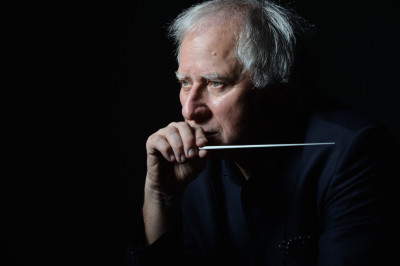
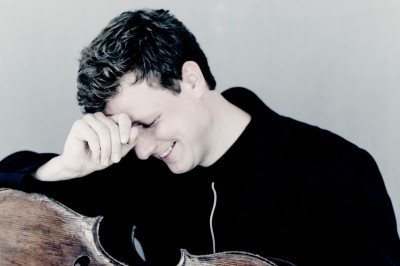
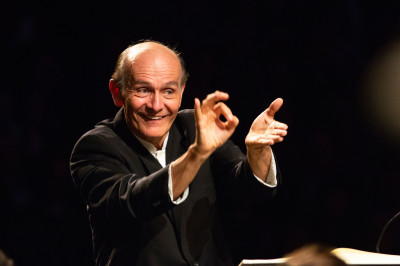
Gábor Takács-Nagy’s Haydn–Mozart series, which has been running with great success for years, now incorporates works by less frequently played composers. Each piece being an odd-man-out in its own right, they are still attached to each other on many counts, primarily because of the dominating D tonality and because of the outstanding role of soloists. The strongest link between the composers is that all four of them were excellent instrumentalists. They wrote a number of their works for themselves, perfectly mastering, and pushing to the limits the attributes of their respective instruments. They should also be appreciated for their several technical innovations. After Mozart’s nimble divertimento comes the most successful composition by the Polish violin virtuoso Wieniawski. Following the intermission, Spohr’s double concerto-like, single-movement piece is followed by a scintillating Haydn symphony. All this is on offer with the orchestra led by a conductor specializing in Haydn and Mozart.