

18.01.2027 19:00
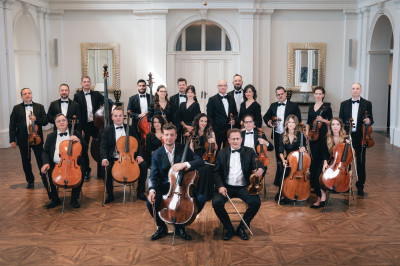
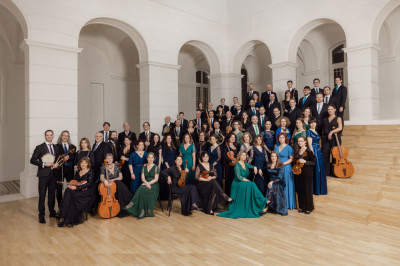
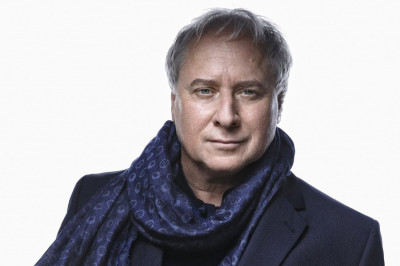
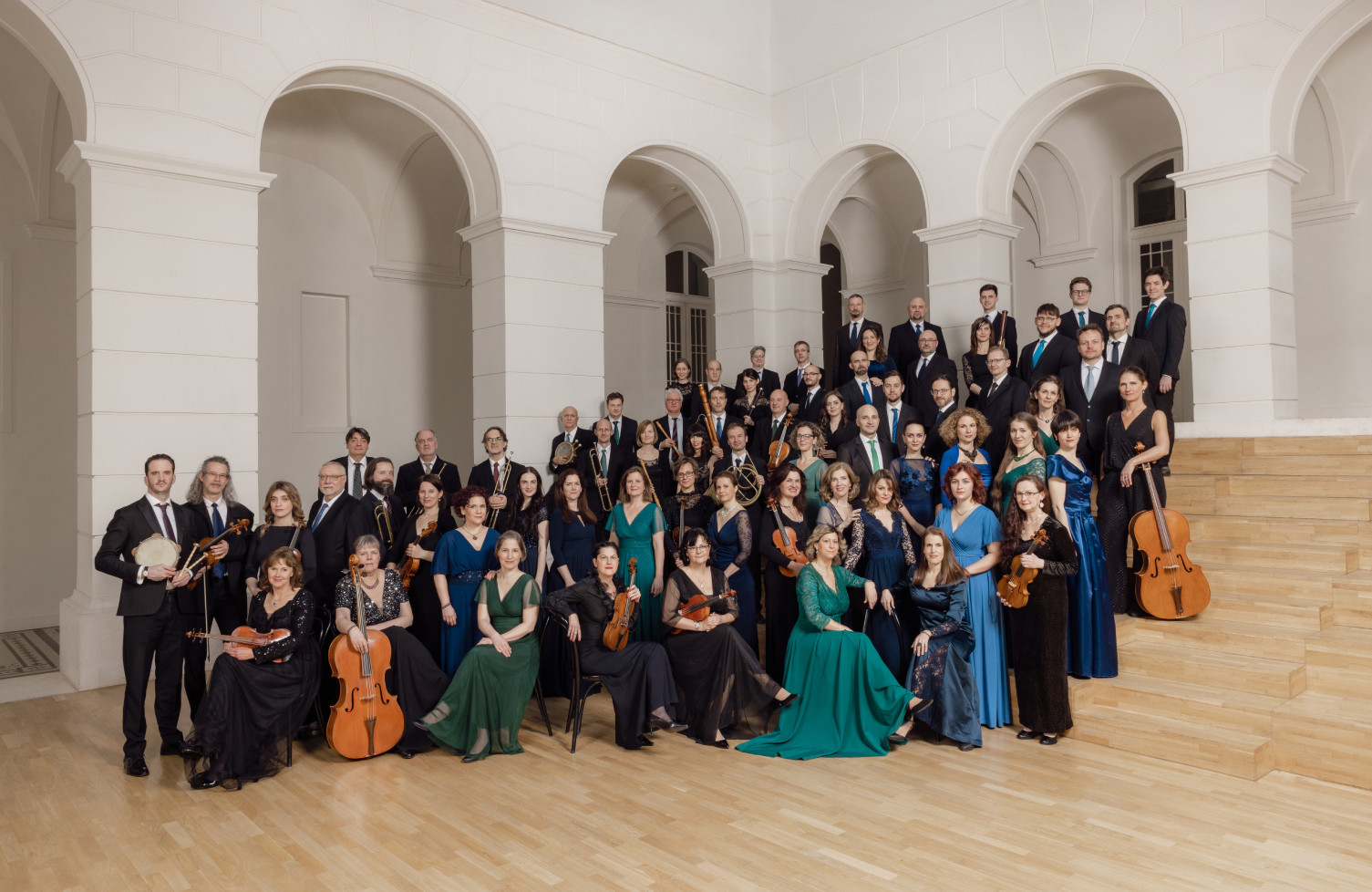
Orfeo Orchestra and Purcell Choir
Szeged, Szegedi Dóm
Tisza Season Ticket - Szeged
Season tickets

Tickets can be purchased at the Filharmonia Hungary office in Szeged (Klauzál Sq. 7, Szeged; +36 62 425 260; szeged@filharmonia.hu), at Ticket Express box offices, at the venue before the concert, and online at www.jegymester.hu.
We offer a 10% discount for students and pensioners.
Filharmonia Hungary season ticket holders are entitled to a 20% discount on tickets for adult concerts organised and sold by Filharmonia Hungary anywhere in Hungary, upon presentation of their season tickets. The discount applies to one ticket per season ticket, per concert.
The individual discounts cannot be combined.
We reserve the right to change the programmes, dates, venues, and performances, and ticket prices may change accordingly.

New subscriptions may be purchased until 10 November 2026.
Subscriptions can be purchased at the Filharmonia Hungary office in Szeged (Klauzál Sq. 7, Szeged; +36 62 425 260; szeged@filharmonia.hu), at Ticket Express box offices, as well as online at www.jegymester.hu.
Filharmonia Hungary Tisza and Organ season ticket holders are entitled to a 20% discount on tickets for concerts organised by Filharmonia Hungary in any city in Hungary. The discount applies to one ticket per season ticket, per concert.
We reserve the right to change the programmes, dates, venues, and performances, and ticket prices may change accordingly.
Bach’s rich legacy of sacred music encompasses every season of the year. Lent would be unthinkable without his Passions, the Christmas Oratorio is an indispensable part of the winter season, and his funeral cantatas and the Magnificat, his great song of praise, are equally significant. Yet these diverse works are rarely performed together. The second concert in the Tisza Concert Series is special precisely because it brings together works associated with different times of the year. The cantata Ich hatte viel Bekümmernis is not tied to any specific occasion, and it also creates a sense of unity in itself, as its text draws on ideas from several psalms. The unifying theme of the music is trust in God in times of hardship. Jesu, meine Freude is one of Bach’s most complex motets, possibly composed for a funeral service. At its heart lies an extended meditation on the message of a chorale. The concert concludes with the Magnificat, which appears in the Bible as Mary’s song of thanksgiving when she visits Elizabeth, who is also expecting a child. In the liturgical calendar, this text is associated with summer and the season of Advent. On this evening, however, we can accompany Bach on a journey through three profound human experiences: hope in times of trouble, mourning, and gratitude. A whole year in a single evening!