

12.01.2027 19:00
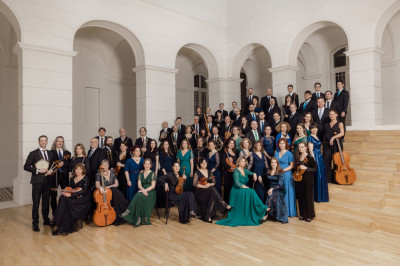
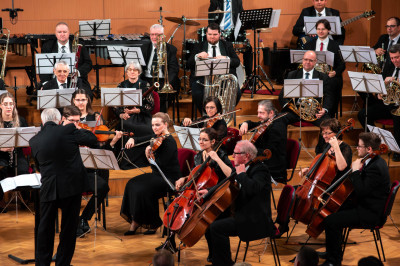
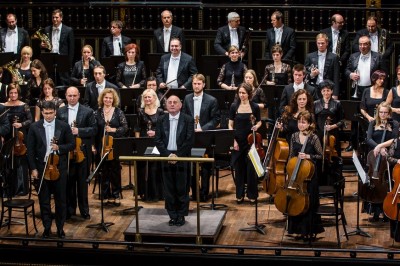
Hungarian National Philharmonic
Nyíregyháza, Kodály Zoltán Általános Iskola, Kodály terem
Filharmonia Season Ticket - Nyíregyháza
Season tickets

Individual tickets will be available from 4 November 2026.
Tickets can be purchased at the Vikár Sándor Music School (Kürt St. 5–11, Nyíregyháza), at the venue before the concert, and online at www.jegymester.hu.
We offer a 10% discount for students and pensioners.
Filharmonia Hungary season ticket holders are entitled to a 20% discount on tickets for adult concerts organised and sold by Filharmonia Hungary anywhere in Hungary, upon presentation of their season tickets. The discount applies to one ticket per season ticket, per concert.
The individual discounts cannot be combined.
We reserve the right to change the programmes, dates, venues, and performances, and ticket prices may change accordingly.

Subscriptions can be purchased at the Vikár Sándor Music School (Kürt St. 5–11, Nyíregyháza), as well as online at www.jegymester.hu.
Filharmonia Hungary season ticket holders are entitled to a 20% discount on tickets for adult concerts organised and sold by Filharmonia Hungary anywhere in Hungary, upon presentation of their season tickets. The discount applies to one ticket per season ticket, per concert.
We reserve the right to change the programmes, dates, venues, and performances, and ticket prices may change accordingly.
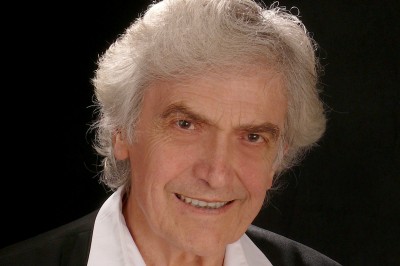
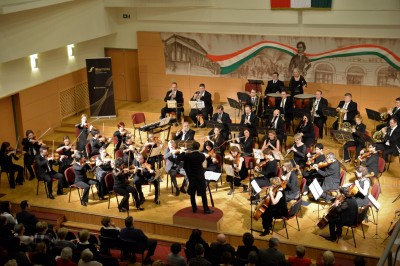
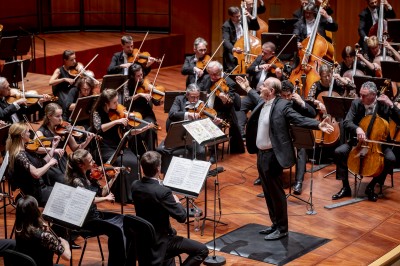
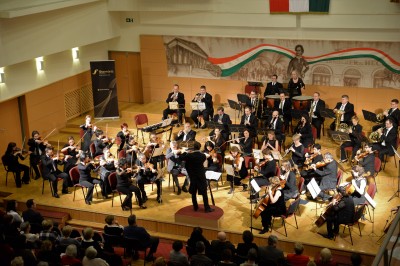
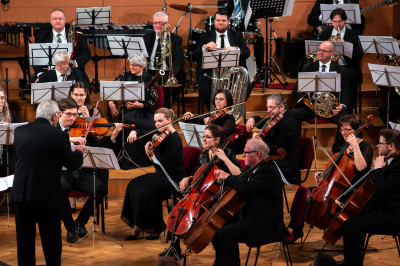
The new season could hardly continue on a better note than with a concert by the Hungarian National Philharmonic Orchestra. Under the baton of György Vashegyi, the orchestra offers the discerning audience of Miskolc a musical escape through works by two Viennese Classical composers and a composer who was a true classic of Vienna. The programme opens with a chance to discover the overture to Der Rübezahl, a forgotten fairy-tale opera by Antonio Casimir Cartellieri. Like Mozart, Cartellieri lived for only 35 years, yet he was a highly regarded composer in his day and had connections with Beethoven. After his death, however, his name gradually faded into obscurity, remaining largely forgotten until the late twentieth century, as did the work featured in this concert. Rübezahl, the legendary mountain spirit of the Giant Mountains, is one of the most fascinating figures in German and Silesian folklore. A supernatural shape-shifter, he is at once the mysterious guardian of nature, the rewarder of the just and the punisher of the arrogant. According to legend, he can conjure storms and mist and appear in many forms, whether as an old man, a hunter or even an animal.
His name, meaning “turnip counter”, derives from a mocking legend and reflects the irony and mystery surrounding this enigmatic figure. Aapo Häkkinen has played a key role in the work’s rediscovery, drawing particular attention to Cartellieri’s rich and varied orchestration, especially his writing for the wind instruments. The overture is followed by Haydn’s Cello Concerto in D major, a cornerstone of the cello repertoire and one of the outstanding masterpieces of the Classical concerto tradition. The work combines the balance, formal clarity and elegance of the Classical style with dazzling virtuosity. At the same time, it embodies the ideals of the Classical era, bringing formal discipline, musical clarity and expressive warmth into harmonious unity.
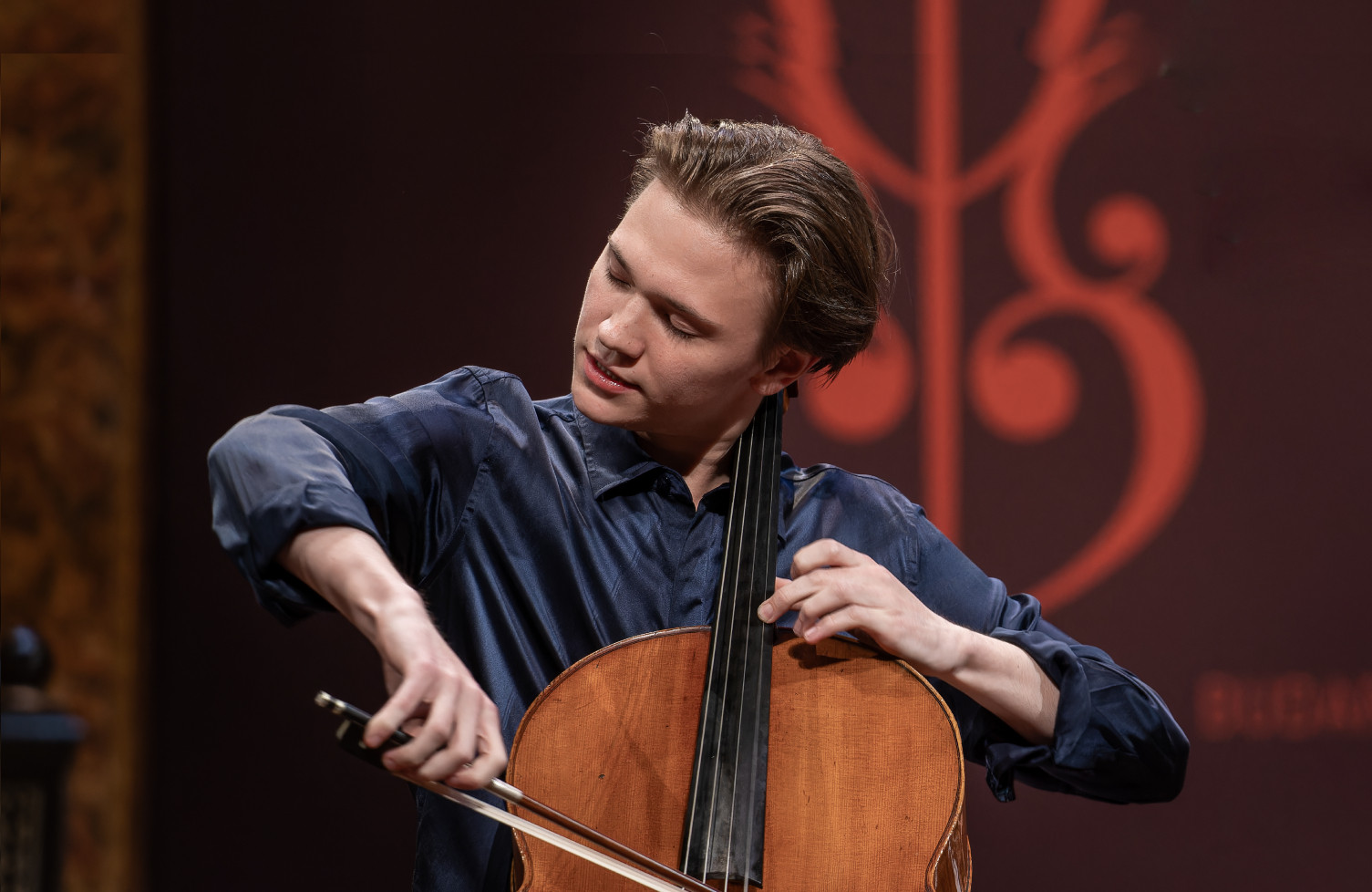
The soloist is the young and gifted Arne Zeller, who came to the attention of Hungarian and international audiences in 2025 after winning the International Cello Competition organised by Filharmónia Hungary. And when it comes to Viennese Classicism, no programme would be complete without Mozart! His Symphony in B-flat major, sometimes referred to as a chamber symphony because of its light orchestration and transparent musical texture, is one of the two final works he composed in Salzburg before moving to Vienna. Mozart’s autograph manuscript is dated 9 July 1779 and, in keeping with Italian convention, contains just three movements. When he presented the work in Vienna a few years later, however, Mozart inserted a minuet before the finale. The symphony’s brilliance and appeal lie not in complexity, but in its immediacy and youthful vitality. Cartellieri brings the evening full circle with his Symphony No. 3 in C major. The score of this work was discovered only in the early 2000s, following many years of painstaking research.